Getting Started on a Gluten-Free Diet
Switching to a gluten-free diet can feel overwhelming at first, especially if you’re new to baking or cooking without wheat, barley, or rye. But don’t worry—there’s a world of gluten-free flours and starches waiting to be explored! Whether you’re avoiding gluten due to celiac disease, gluten sensitivity, or personal choice, this guide will introduce you to the basics of gluten-free flours and starches and help you get started.
What is Gluten and When to Avoid It?
Gluten is the protein found in wheat, barley, and rye that gives dough its elasticity and helps baked goods hold their shape. For those with celiac disease or gluten sensitivity, eating gluten can cause uncomfortable or even harmful reactions. But eliminating gluten doesn’t mean you have to give up your favorite foods. Thanks to gluten-free flours and starches, you can still enjoy delicious breads, cakes, cookies, and more.

What Makes Gluten-Free Flours Unique?
Traditional wheat flour creates structure in baked goods thanks to gluten. Without gluten, gluten-free flours often behave differently—they may produce crumbly textures or require extra help to bind ingredients together. That’s why gluten-free recipes often use a combination of flours and starches, along with binders like xanthan gum or psyllium husk, to mimic the properties of gluten.
Gluten-Free Flours: Your New Pantry Staples
Here’s an overview of some of my favorite gluten-free flours, organized by type:
Nut-Based Flours
1. Almond Flour
- Almond flour, a popular ingredient in the gluten-free kitchen, is made from finely ground almonds that have been blanched to remove their skins.
- Almond flour differs from almond meal, which is coarser and often includes almond skins.
- It is rich in protein, healthy fats, vitamin E, magnesium, and fiber. These nutrients make it a healthier alternative to many gluten-free flours that are often starch-based and less nutrient-dense.
- It is a good choice for people managing blood sugar levels, as it has a low glycemic index compared to refined flours.
- Almond flour can be used in a wide array of recipes, from cakes, cookies, and bread to savory dishes.
- Its slightly nutty flavor enhances the taste of dishes without overpowering them.
- To achieve the best texture in baked goods, almond flour is often combined with other gluten-free flours.

2. Coconut Flour
- Coconut flour is a nutritious and versatile ingredient made by grinding dried coconut meat into a fine, powdery texture.
- Coconut flour is rich in dietary fiber, particularly insoluble fiber, which aids digestion and supports gut health.
- With fewer digestible carbs compared to regular white flour, it is ideal for low-carb and ketogenic diets.
- It’s naturally free of gluten, making it safe for people with celiac disease or gluten sensitivity.
- While technically edible in its raw state, eating raw coconut flour isn’t particularly recommended. For optimal flavor, texture, and digestibility, it’s best to use coconut flour in cooked or baked dishes.
- Coconut flour is highly absorbent, so use sparingly. This property is due to its high fiber content, which allows it to soak up significant amounts of liquid.
- Perfect for pancakes, muffins, and bread, coconut flour is a versatile addition to any health-conscious kitchen.

Grain-Based Flours
1. White Rice Flour
- White rice flour is made from ground white rice, which has had its bran and germ removed.
- It is a common ingredient in gluten-free baking due to its fine texture and neutral flavor.
- It is usually combined with other gluten-free flours (like almond or tapioca flour) to improve structure, as it lacks elasticity and can produce crumbly results on its own.
- It works well in recipes like cookies, cakes, and pancakes but may require xanthan gum or psyllium husk for added binding.
- While it is gluten-free and a good source of energy, its nutritional value is limited because the milling process strips away most fiber, vitamins, and minerals, making it less nutrient-dense than whole-grain flours.
- It has a high glycemic index (GI). This means it causes a rapid spike in blood sugar levels when consumed, so it’s less ideal for people managing diabetes or aiming to control blood sugar.
- It’s best used in moderation and for special occasions, like holiday baking or celebratory recipes.

2. Brown Rice Flour
- Brown rice flour is made from whole-grain brown rice, retaining the bran and germ.
- It is a healthier alternative, offering more fiber, nutrients, and a lower GI, though its texture and flavor may differ.
- In terms of gluten-free baking, brown rice flour is slightly coarser than white rice flour, which can affect texture. However, it adds a nuttier flavor and works well in heartier baked goods like bread or muffins.
- For the best results, combine it with other gluten-free flours and binding agents to improve texture and nutrition.
3. Oat Flour
- Oat Flour is made by grinding whole oats into a fine powder.
- It is an excellent addition to gluten-free baking due to its texture-enhancing properties, nutritional benefits, and mild flavor. Just be cautious about cross-contamination and ensure you’re using certified gluten-free oats if needed.
- It has a low to moderate glycemic index (GI), typically around 55, making it a good choice for people managing blood sugar levels.
- Oat flour is often used to improve texture in gluten-free baked goods, especially when combined with other gluten-free flours.
- It works well in recipes like cookies, muffins, and pancakes.
- Oat flour can also be used to thicken smoothies or soups.

4. Sorghum Flour
- Sorghum flour is a nutrient-rich, gluten-free flour made from whole-grain sorghum.
- It is increasingly popular in gluten-free baking due to its mild flavor, health benefits, and versatility.
- It’s naturally gluten-free and gentle on the digestive system, making it suitable for individuals with celiac disease or gluten sensitivity.
- Sorghum flour has a low to moderate glycemic index, depending on how it is processed and consumed. This makes it a better choice for managing blood sugar compared to higher-GI flours like white rice flour. Its high fiber content slows down digestion, resulting in more stable blood sugar levels.
- Sorghum flour lacks gluten, so it needs to be combined with other gluten-free flours (e.g., almond, tapioca, or potato starch) or binders like xanthan gum to improve structure and elasticity.
- It works well in both sweet and savory recipes, adding a mild, slightly sweet flavor.
- When substituting, sorghum flour usually makes up 20-30% of a gluten-free flour blend.
- Sorghum flour’s mild flavor and fine texture make it a great choice for various dishes: Cakes, cookies, muffins, gluten-free bread, pancakes and waffles.
- It’s traditionally used in some cultures for flatbreads like jowar roti in India.

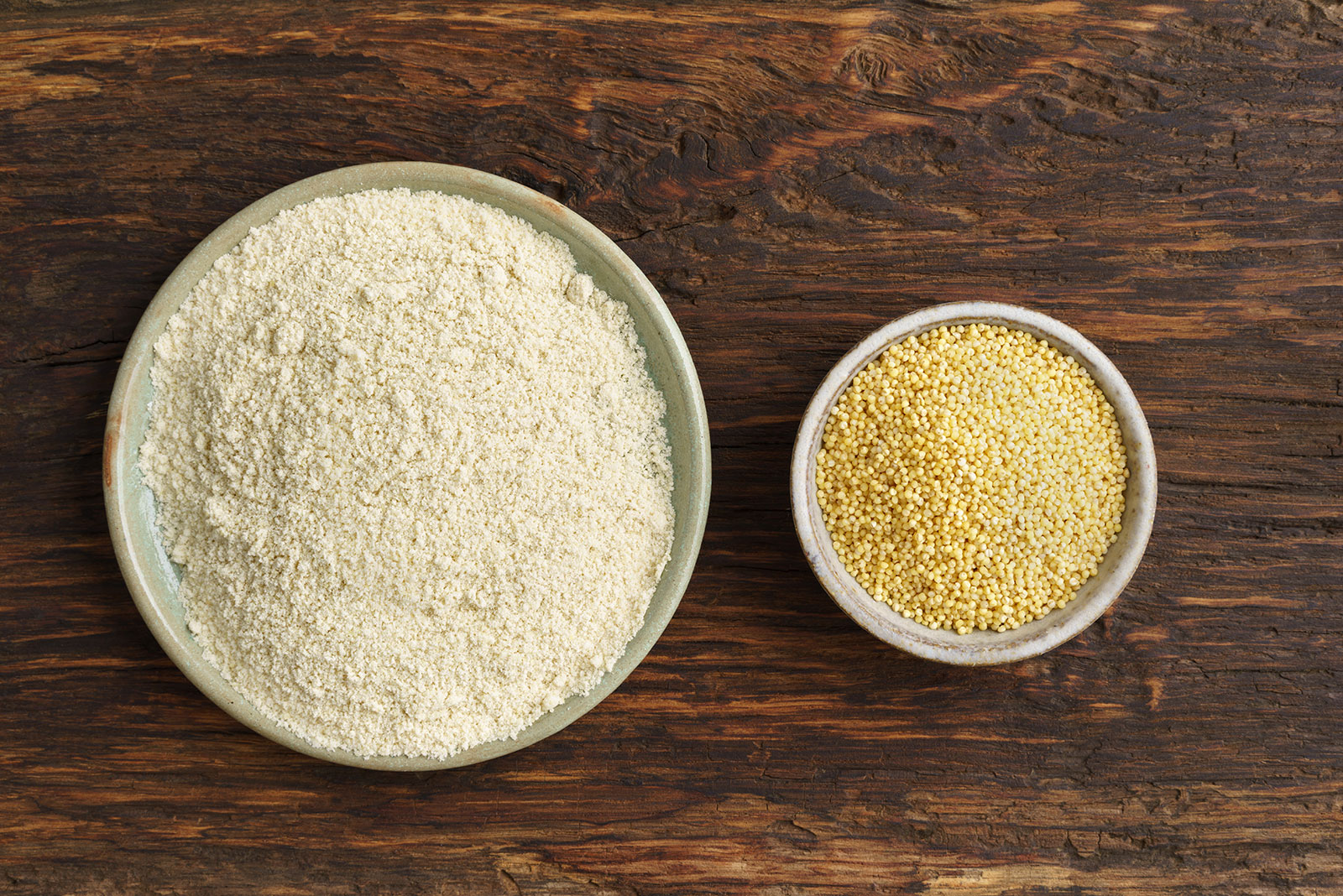
5. Millet Flour
- Millet flour, made by grinding whole millet grains, is a versatile and healthy gluten-free flour.
- Known for its mild, slightly nutty flavor, millet flour is a great addition to gluten-free baking and cooking, offering both nutritional benefits and culinary versatility.
- Millet flour has a moderate glycemic index, which can vary based on the type of millet and preparation method.
- Millet flour is widely used in gluten-free baking, but like other gluten-free flours, it often works best when combined with other gluten-free flours.
- It is generally considered a healthy gluten-free flour. However, because of its goitrogenic properties, there are concerns about its potential impact on thyroid health, particularly in people with existing thyroid disorders.
- If you already suffer from thyroid issues avoid over-relying on millet flour as a primary carbohydrate source. Rotate it with other gluten-free flours like almond, sorghum, or rice flour. Remember, moderation is the key.
6. Buckwheat Flour
- Buckwheat flour is a popular gluten-free flour made from the ground seeds of the buckwheat plant, which is not related to wheat despite its name.
- It’s an excellent source of protein, fiber, and antioxidants, making it a healthy option for a variety of recipes.
- Buckwheat flour has a low to moderate glycemic index (GI), typically ranging from 45-50, which means it causes a slower, steadier rise in blood sugar compared to refined flours.
- It adds a dense, slightly earthy flavor to baked goods.
- It is commonly used in pancakes, waffles, bread, muffins, and crackers.
- It pairs well with other gluten-free flours (such as rice or almond flour) to balance texture and flavor.

7. Teff Flour
- Teff Flour is a highly nutritious gluten-free flour made from the tiny seeds of the teff plant, native to Ethiopia.
- It is naturally gluten-free so it’s a great option for people who follow a gluten-free diet.
- It has a relatively low glycemic index – the glycemic index is 57 and the glycemic load is 19.
- It has a mild, slightly nutty flavor and is ideal for gluten-free baking, especially in recipes like breads, pancakes, and muffins.
- It adds moisture and a slightly dense texture to baked goods, making it a great choice for those looking for a hearty, nutritious flour.
- Teff is also commonly used in injera (a traditional Ethiopian flatbread) and can be used as a thickener for soups and stews.
- For more info on teff, check out Teff-a Gluten-Free Grain to Try.

8. Quinoa Flour
- Quinoa Flour is a highly nutritious gluten-free flour made from ground quinoa seeds.
- It is rich in protein, fiber, and essential amino acids, making it a complete protein source, which is rare in plant-based flours.
- It has a slightly nutty flavor and is great for gluten-free baking, adding structure and moisture to baked goods like breads, cookies, and pancakes.
- Quinoa flour is often used in combination with other gluten-free flours to improve texture, and it can also be added to smoothies or used as a thickener for soups and sauces, enhancing both flavor and nutritional value.

9. Amaranth Flour
- Amaranth Flour is a highly nutritious gluten-free flour made from the seeds of the amaranth plant.
- It is rich in protein, particularly the amino acid lysine, which is often limited in other grains.
- Amaranth flour has a mild, slightly earthy flavor, making it a great addition to gluten-free baking.
- It works well in recipes like breads, pancakes, and muffins, and is often used in combination with other gluten-free flours for better texture.
- It can also be used in smoothies, energy bars, or as a thickener for soups and sauces, offering both nutritional value and versatility.
10. Corn Flour
- Corn Flour is naturally gluten-free and can be a versatile ingredient in gluten-free baking.
- It is rich in carbohydrates and provides a mild, slightly sweet flavor.
- While it’s not as nutrient-dense as some other gluten-free flours, it does offer small amounts of fiber and B vitamins.
- It is commonly used in gluten-free baking to add lightness and texture to products like tortillas, cornbread, and cookies.
- Corn flour is also used as a thickener for sauces, soups, and gravies.
- However, it should be used in combination with other gluten-free flours to provide the necessary structure and chewiness in baked goods.

Root-Based Flours
Root-based flours are made by grinding whole roots or tubers into flour. These flours retain more of the fiber, nutrients, and flavor of the original root compared to refined starches.
1. Cassava Flour
- Cassava flour, made from the whole root of the cassava plant, is a popular gluten-free flour known for its neutral flavor and versatility.
- It’s considered healthy in moderation, providing carbohydrates and small amounts of fiber, vitamin C, and potassium.
- However, it is calorie-dense and low in protein and other nutrients, so it’s best balanced with other nutrient-rich foods.
- Cassava flour has a high glycemic index (GI), meaning it can cause rapid spikes in blood sugar, making it less ideal for individuals with diabetes or insulin resistance.
- It’s excellent for gluten-free baking, mimicking the texture of wheat flour in recipes like bread, pancakes, and cookies, often without the need for additional binders.
- Importantly, cassava flour is AIP-friendly (Autoimmune Protocol), as it is grain-free, nut-free, and minimally processed, making it suitable for those with autoimmune conditions or food sensitivities.

2. Sweet Potato Flour
- Sweet Potato Flour is made by dehydrating and grinding whole sweet potatoes into a fine powder.
- This flour is rich in fiber, vitamins A and C, and antioxidants, making it a healthy option for gluten-free baking.
- With its slightly sweet flavor, it adds moisture and natural sweetness to baked goods.
- Sweet potato flour has a moderate glycemic index (GI) which means it causes a slower rise in blood sugar compared to refined flours.
- It’s commonly used in gluten-free baking for recipes like muffins, pancakes, and bread, and can also be used as a thickener for sauces and soups.
3. Tigernut Flour
- Despite its name, tigernut flour is not a nut-based flour. It is made from tigernuts, which are actually small root vegetables (tubers) that grow underground.
- Tigernut flour is completely nut-free, so it’s an excellent option for people with nut allergies, as well as those following the Autoimmune Protocol (AIP) diet or other allergen-free diets where it can be used in combination with other AIP-friendly flours like cassava flour or coconut flour to achieve the desired texture.
- It is naturally gluten-free flour with a unique sweet taste and a slightly gritty texture.
- It works really well in combination with other flours and starches such as white rice flour, brown rice flour, coconut flour, almond flour, tapioca flour, potato starch…
- Tigernut flour is a great choice for cookies, muffins, and pancakes, as well as for thickening sauces or smoothies.
- For more info on tigernuts, check out Nuts about Tigernuts.
Legume-Based Flours
1. Chickpea (Gram) Flour
- Chickpea flour, also known as gram flour or besan, is a gluten-free flour made from ground dried chickpeas.
- With a low glycemic index (GI), it is a great option for stabilizing blood sugar levels.
- Its protein content makes it especially beneficial for plant-based diets, and it’s often blended with other flours to enhance the texture of gluten-free baked goods.
- Chickpea flour is ideal for gluten-free baking, providing structure and a slightly nutty flavor to recipes.
- It is commonly used in flatbreads, fritters, and savory dishes like pancakes or as a binder in plant-based patties.
- It can also be used as a thickener in sauces and soups or to create savory dishes like socca (chickpea flatbread).

2. Lentil Flour
- Lentil Flour is made by grinding dried lentils into a fine powder.
- It is a nutritious flour rich in protein, fiber, and essential minerals like iron and magnesium.
- Lentil flour has a low glycemic index (GI) which makes it a great option for those looking to maintain steady blood sugar levels.
- It is commonly used in gluten-free baking to make breads, pancakes, and muffins, adding structure and density.
- Lentil flour is also used in savory dishes, such as vegetable fritters or vegan burgers, and can be used as a thickener for soups and stews.
Seed-Based Flours
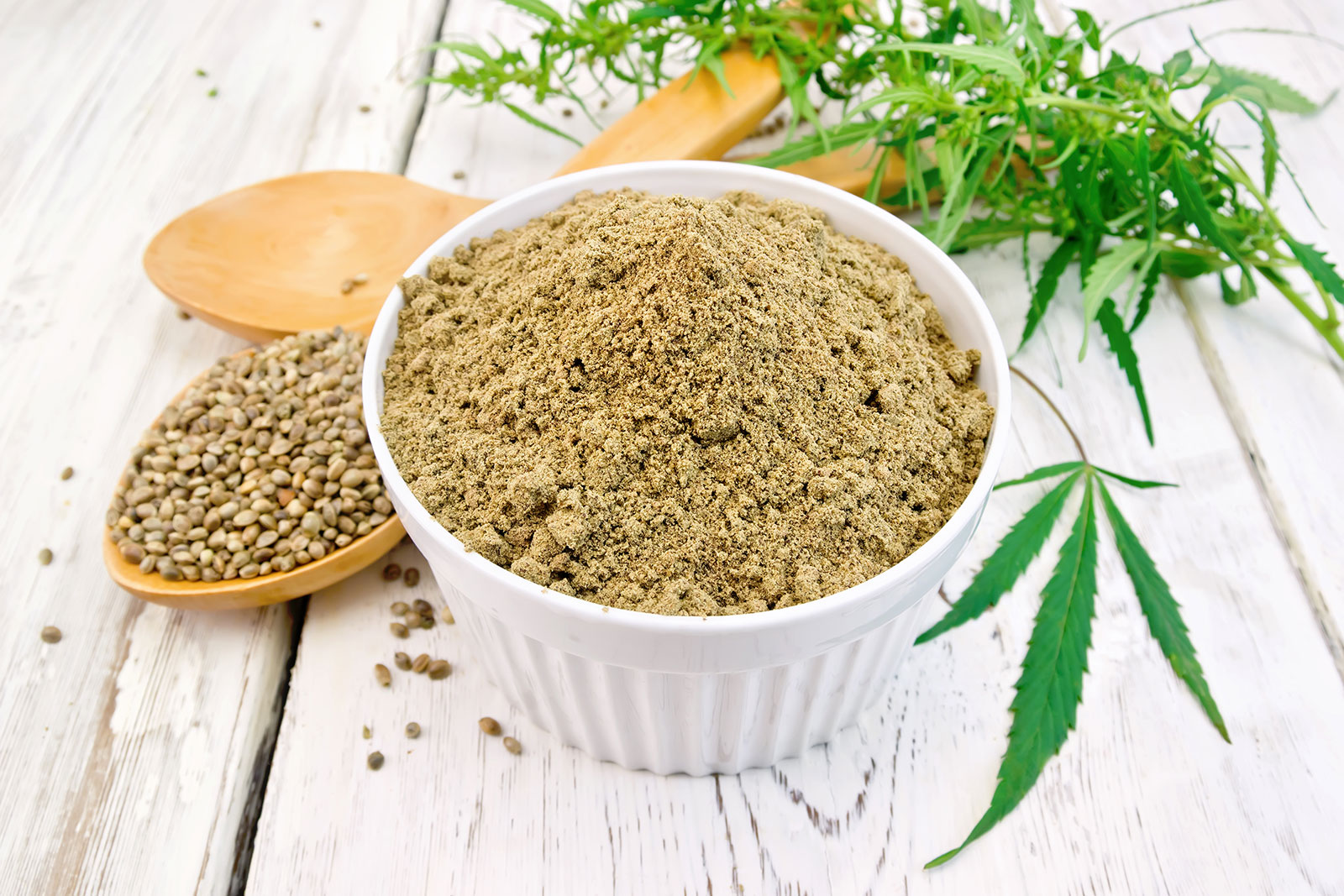
Hemp Seed Flour
- Hemp Seed Flour is a nutritious gluten-free flour made from ground hemp seeds.
- It is rich in protein, fiber, and healthy fats, particularly omega-3 and omega-6 fatty acids, making it a great addition to a balanced diet.
- It is highly nutritious but can be dense and has a strong, nutty flavor, so it’s generally recommended to use it in moderation when baking. Typically, you can replace about 20-25% of the flour in a gluten-free recipe with hemp seed flour. If you add too much hemp seed flour, it can affect the texture of your baked goods, making them dense or crumbly.
- For recipes like muffins, breads, and energy bars, hemp seed flour works best when combined with lighter flours to balance the texture and flavor.
- You can also experiment with adding hemp seed flour to smoothies, oatmeal, or granola for an extra protein boost.
Flaxseed Flour
- Flaxseed flour or flaxseed meal are essentially all the same product, both made by grinding flaxseeds into a fine powder or meal.
- Flaxseed flour is rich in fiber, omega-3 fatty acids, and protein, making it a great addition to a healthy diet.
- It has a mild, nutty flavor and can be used in gluten-free baking to add moisture and structure to recipes like breads, muffins, and cookies.
- Flaxseed flour is often used as an egg substitute in plant-based baking when mixed with water to form a gel-like consistency.
- It can also be added to smoothies, oatmeal, or granola for an extra boost of nutrition.
Sunflower Seed Flour
- Sunflower Seed Flour is a nutritious, gluten-free flour made from ground sunflower seeds.
- It is rich in healthy fats, protein, and fiber, making it a great source of energy and supporting heart health.
- It has a mild, nutty flavor, making it a versatile addition to gluten-free baking, where it can be used in breads, muffins, and cookies.
- It adds moisture and a slightly dense texture to baked goods.
- Sunflower seed flour can also be used in smoothies, energy bars, or as a coating for baked goods.
- It is a good alternative for those with nut allergies, as it provides similar texture and flavor without the allergens.
The Role of Starches in Gluten-Free Baking
Starches play a crucial role in gluten-free cooking by adding lightness and binding power. Here are a few common options:
1. Tapioca Starch
- Tapioca Starch (or Tapioca Flour) is a fine, powdery starch extracted from the cassava root.
- While it is naturally gluten-free and a versatile option for baking, it is primarily a source of carbohydrates and provides little protein, fiber, or other nutrients.
- Tapioca starch has a high glycemic index (GI) of about 67–90, meaning it can cause a rapid spike in blood sugar levels, so it’s best used in moderation.
- It is highly valued in gluten-free baking for its ability to add elasticity, chewiness, and crispness to baked goods.
- Commonly used in bread, muffins, pancakes, and cookies, it is often blended with other gluten-free flours for better texture.
- Tapioca starch also works well as a thickener for soups, sauces, and pie fillings.
- Tapioca starch is AIP-friendly and it is commonly used in AIP recipes.
2. Potato Starch
- Potato Starch is a fine, white powder extracted from the starch of potatoes.
- It is naturally gluten-free and commonly used in baking and cooking.
- While potato starch is low in nutrients, providing almost no protein or fiber, it is an excellent source of carbohydrates.
- It has a high glycemic index (GI), so it should be consumed in moderation.
- Potato starch is widely used in gluten-free baking to add lightness and improve the texture of baked goods like cakes, breads, and cookies.
- It is also a popular thickener for soups, sauces, and gravies due to its neutral flavor and ability to create a smooth, glossy finish.
- When combined with other flours, potato starch helps create tender, moist, and airy textures in gluten-free recipes.

3. Arrowroot Powder
- Arrowroot Powder is a natural, gluten-free starch derived from the roots of the arrowroot plant.
- It is low in calories and nutrients but easily digestible, making it a suitable option for sensitive stomachs.
- Arrowroot has a neutral flavor and a low glycemic index (GI) compared to other starches, making it a healthier thickening alternative.
- It is widely used in gluten-free baking to improve the texture of cookies, cakes, and bread by adding lightness and elasticity.
- Arrowroot powder also works well as a thickener for soups, sauces, and puddings, as it creates a smooth, glossy finish without altering the flavor.
- Additionally, it’s often used in paleo and AIP-friendly recipes.

4. Cornstarch
- Cornstarch is a fine, gluten-free powder derived from the starchy part of corn kernels.
- It is low in nutrients, offering primarily carbohydrates and little to no fiber, protein, or vitamins.
- Cornstarch has a high glycemic index (GI) and should be used in moderation.
- It is widely used in gluten-free baking to improve the texture of baked goods, adding lightness and a tender crumb.
- It is also an effective thickener for soups, sauces, and pie fillings, creating a smooth, glossy texture.
- Cornstarch is often combined with other gluten-free flours to enhance elasticity and structure in recipes like cakes, cookies, and muffins.

How to Get Started: Essential Flours and Starches for Beginners
If you’re just starting out, here’s a beginner-friendly shopping list:
- Gluten-Free Flours: White rice flour, brown rice flour, oat flour, almond flour, chickpea flour, and coconut flour.
- Starches: Tapioca starch and potato starch.
- Consider a pre-made gluten-free flour blend for convenience!
Tips for Gluten-Free Success
- Mix and Match: A single gluten-free flour rarely works well on its own. Combine flours and starches for the best results.
- Start Simple: Try easy recipes like pancakes, muffins, or cookies to get familiar with gluten-free textures.
- Experiment: Different flours bring unique flavors and textures—play around to find what you like best!
Your Gluten-Free Adventure Awaits
Switching to gluten-free flours and starches opens up a world of culinary possibilities. It may take a little practice to master the art of gluten-free baking, but the journey is worth it. Whether you’re making fluffy pancakes with almond flour or chewy bread with a blend of rice flour and tapioca starch, you’ll soon discover how delicious gluten-free living can be.
So stock up on a few staples and start experimenting. The gluten-free kitchen is yours to explore!